2026-09-16

Autonomous Summit
Autonomous Summit

The second Autonomous Summit shifts up a gear for autonomous mobility in the port

From autonomous trucks and shuttles to remotely controlled ships, trains, drones, and robotics, Port of Antwerp-Bruges will demonstrate at the second edition of the Autonomous Summit how autonomous technology is being used more widely and at an ever-larger scale. While the 2025 edition mainly demonstrated what is technologically possible, the focus has now shifted to implementation. That next step will take shape this autumn with the first commercial project involving an autonomous truck to transport containers between the Left and Right Banks.


From pioneering to scaling up

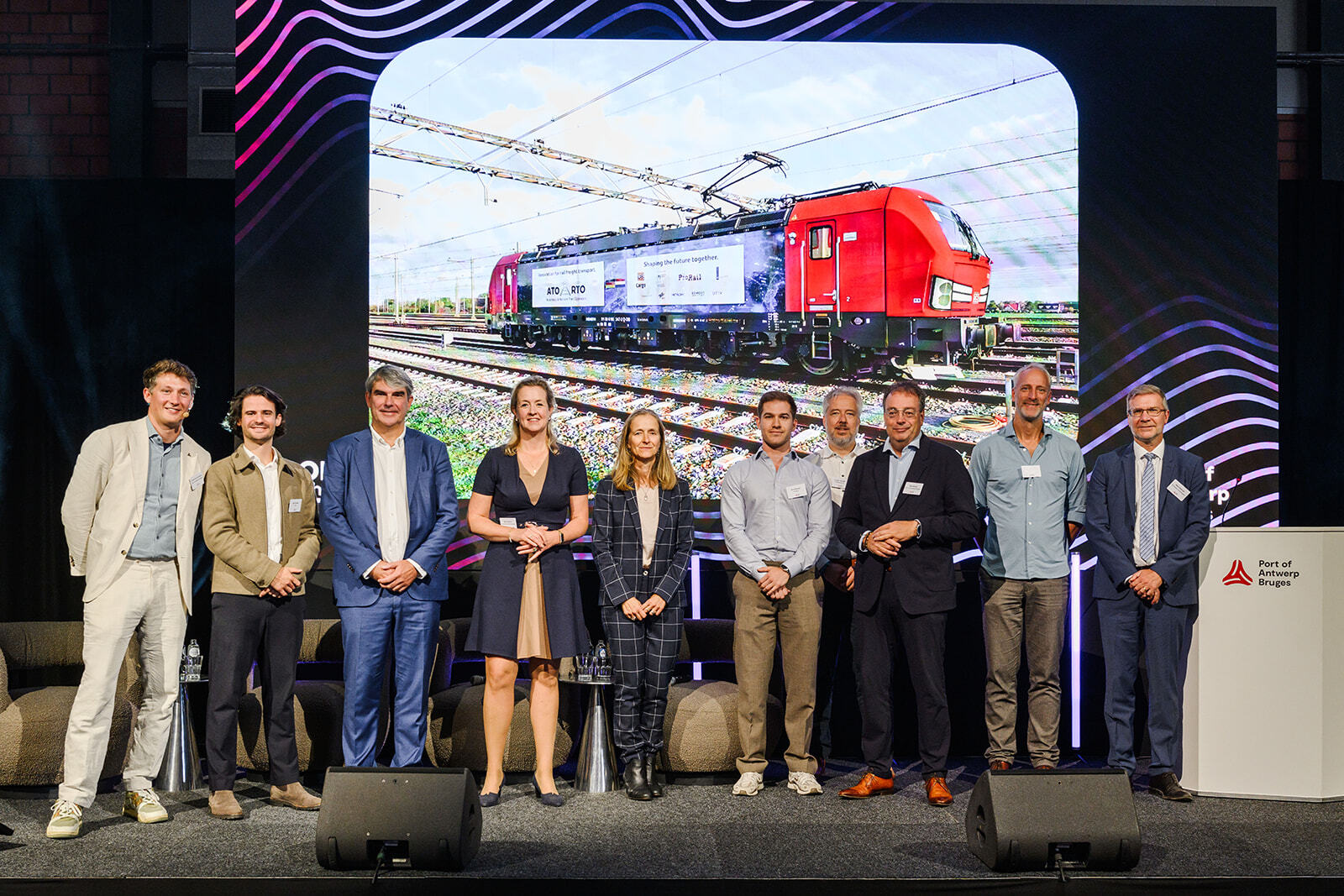
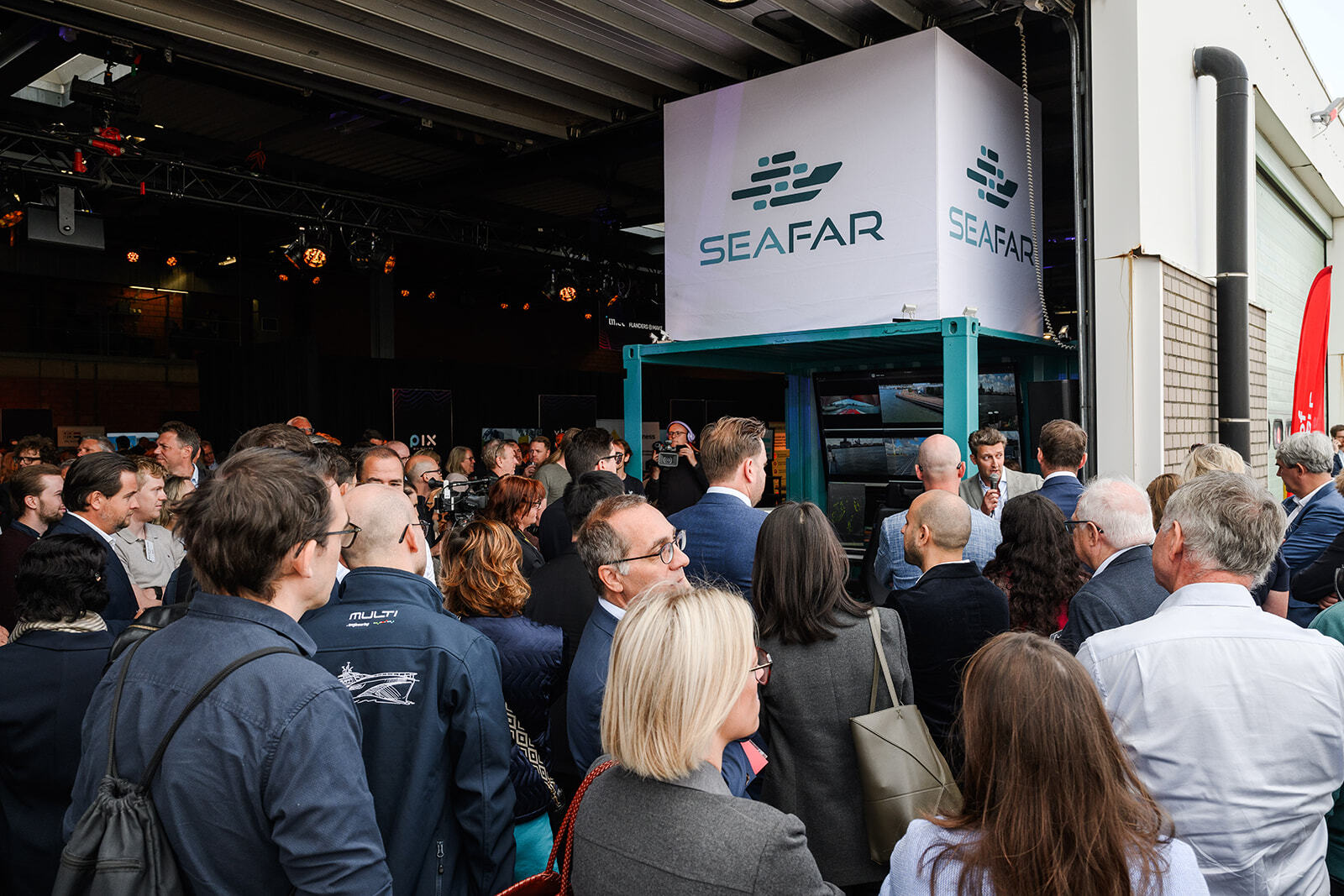
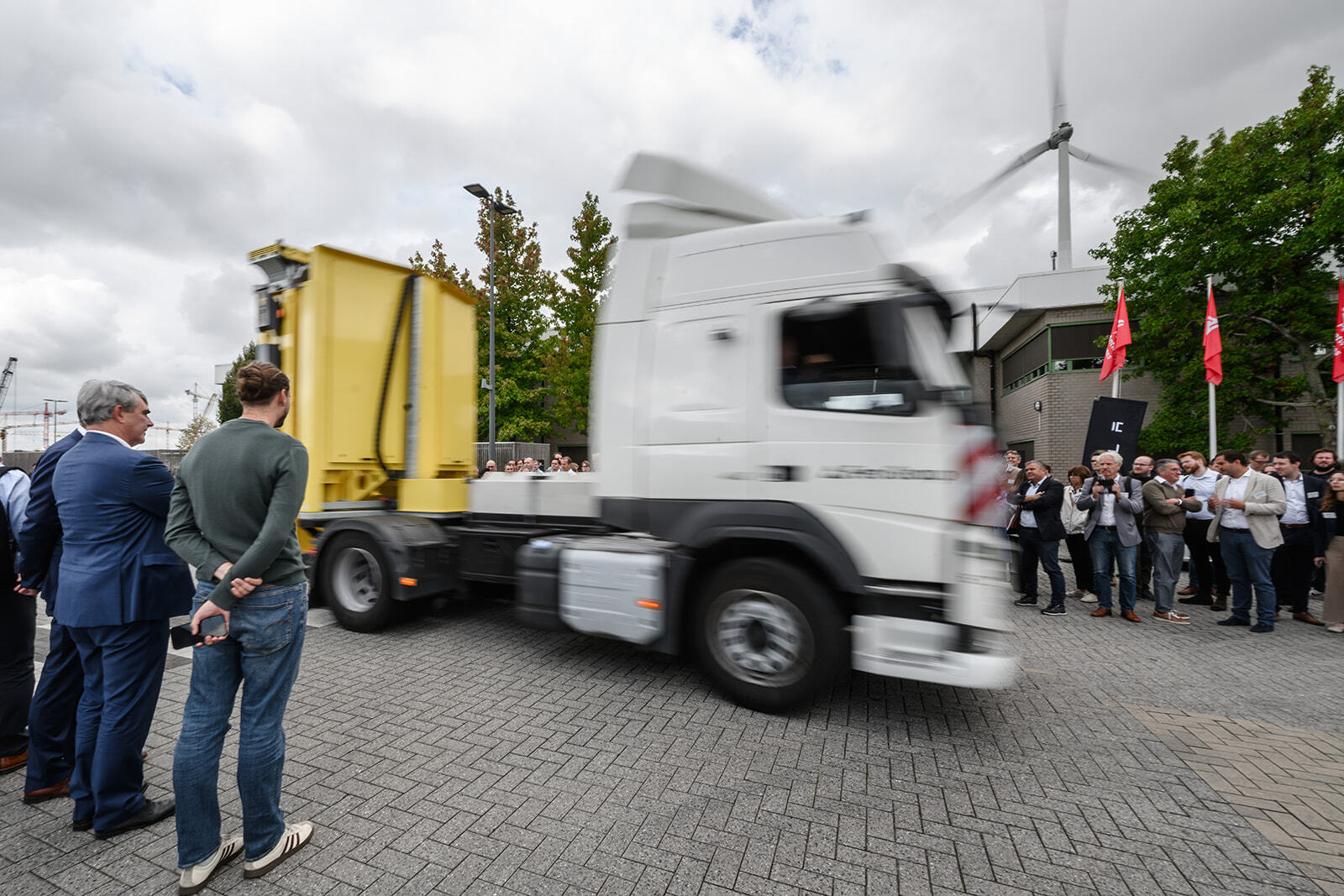
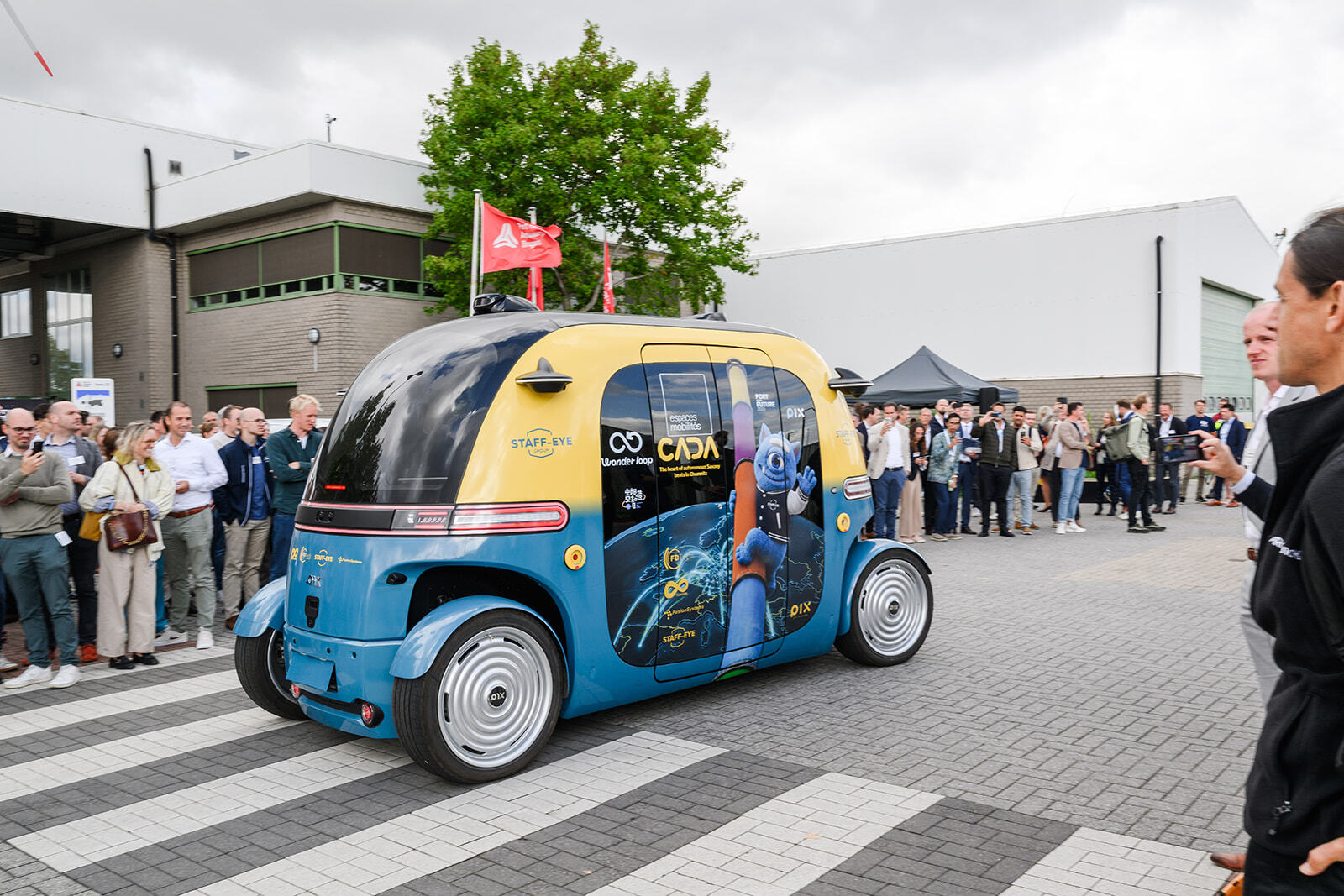
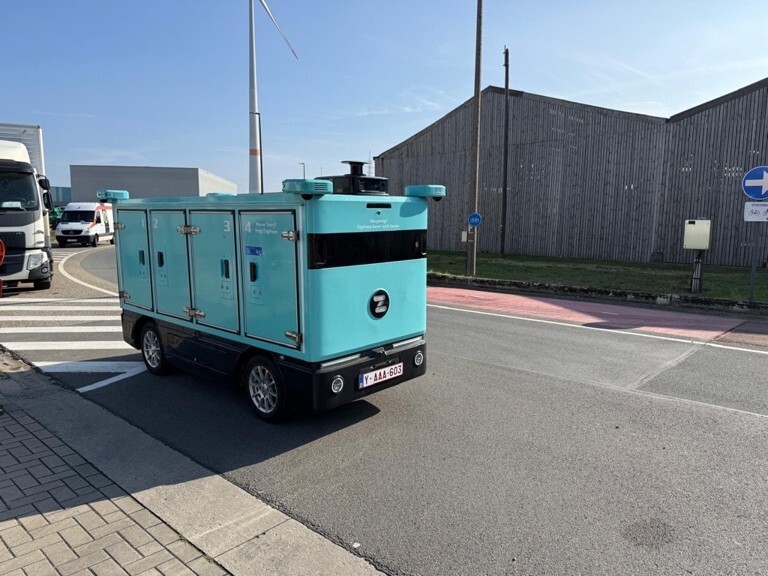
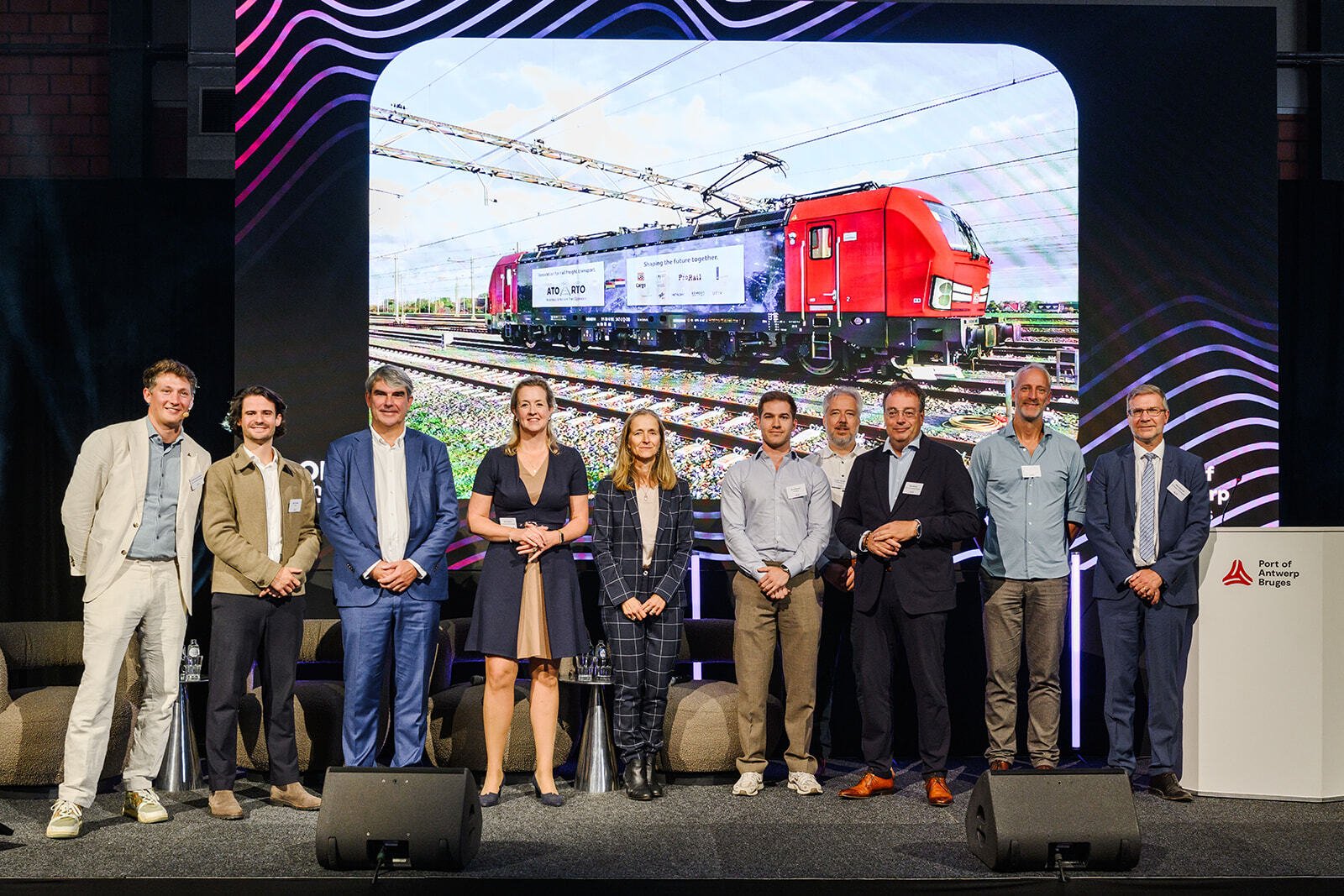
At the Autonomous Summit in 2025, a fully autonomous heavy goods vehicle drove on public roads in the Antwerp port area for the first time in Belgium. Fast forward one year and Port of Antwerp-Bruges is now building on that momentum. The second edition shows how the ecosystem around autonomous driving, sailing, flying, and rail transport is growing and where applications are being scaled up. The demonstrations include a remote-controlled train from OTIV, a remote-controlled inland navigation ship from Seafar, and autonomous trucks from Zelostech, DAF, and Volvo. Zelostech will demonstrate a fully autonomous logistics vehicle during the event that is authorised to operate on public roads in Belgium. The vehicle has no space for a driver or safety driver, a European first. It will operate for one year on a route crossing the city, the wider region and the port. Visitors can also take a ride on a PIX Moving autonomous shuttle, a remotely controlled crash test dummy, or discover Tesla’s Full Self-Driving technology.

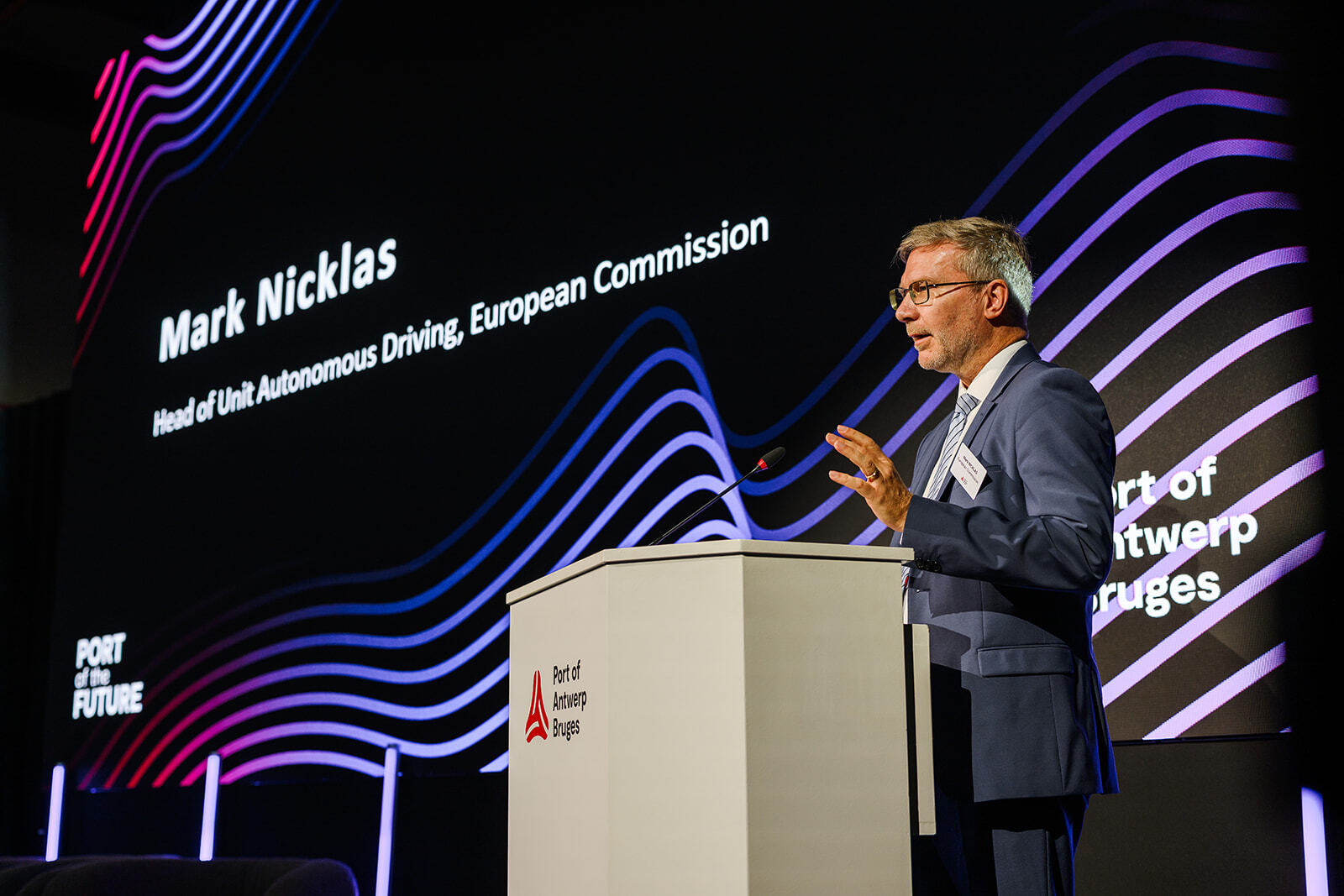
The Autonomous Summit is part of Port of the Future Week, which will run from 15 to 17 September in Antwerp and Rotterdam. Over three days, technology companies, port and logistics operators, policymakers, research organisations, and start-ups will come together to develop autonomous and sustainable technologies for port environments. Port of Antwerp-Bruges will therefore create an environment where innovations can be tested, implemented, and scaled up. The port aims to speed up implementation and strengthen European competitiveness.

First commercial roll-out of an autonomous truck

The step from demonstration to implementation will take shape this autumn. Together with technology company Inceptio Technology and logistics provider Group-GTS, Port of Antwerp-Bruges will launch its first commercial pilot project involving an autonomous truck in the Antwerp port area. The truck, fitted with autonomous technology from Inceptio, will transport containers day and night between the Group-GTS depot in Kallo on the Left Bank and various container terminals on the Right Bank. The project aims to explore how to permanently integrate autonomous trucks into logistics operations and deploy them at scale. In the next phase, we will expand the project towards North Sea Port and Rotterdam.

The port as a springboard for autonomous mobility

With their high traffic volumes, regular transport flows and relatively controlled environment, ports are ideal for testing and scaling up autonomous technology. Autonomous applications can make logistics more efficient, safer and more sustainable. They also offer opportunities for night-time logistics, and can help with the shortage of drivers.

Port of Antwerp-Bruges is accelerating this development by bringing partners together, supporting concrete applications and helping to shape a suitable regulatory framework.

Jean-Luc Crucke, Federal Minister for Mobility, Climate and Ecological Transition: “

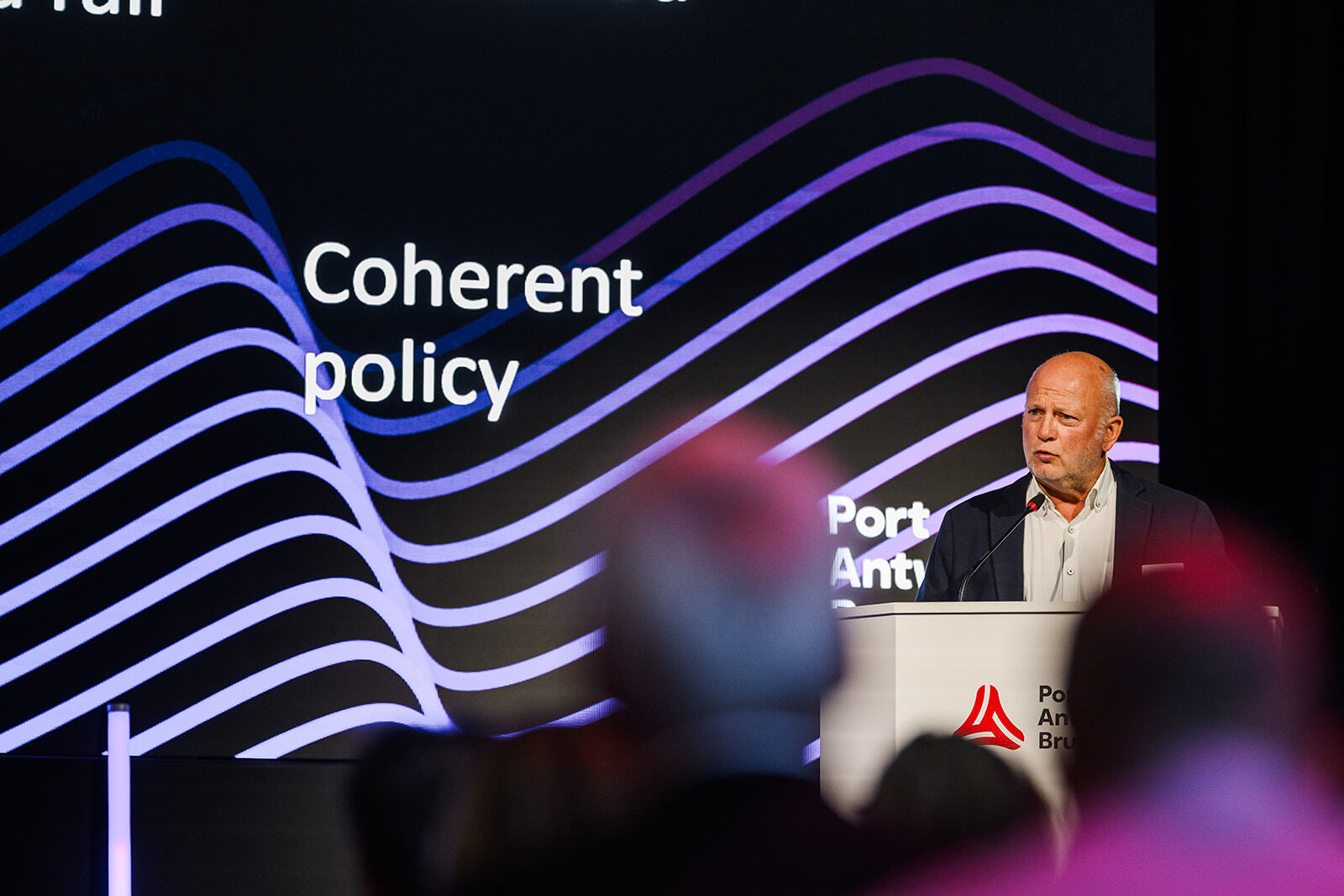
Autonomous mobility offers major opportunities for our ports and logistics chains, including by making transport flows safer, more efficient and more sustainable. But its rollout must be safe, responsible and supported by a clear legal framework. That is why testing is important, while in parallel we must also ensure clear and coordinated rules. Within the Benelux initiative, we are working with our neighbouring countries on a harmonised and efficient legal framework, so that autonomous applications can function safely and smoothly in the long term. In doing so, we aim to further position Belgium as one of the pioneers in autonomous mobility.

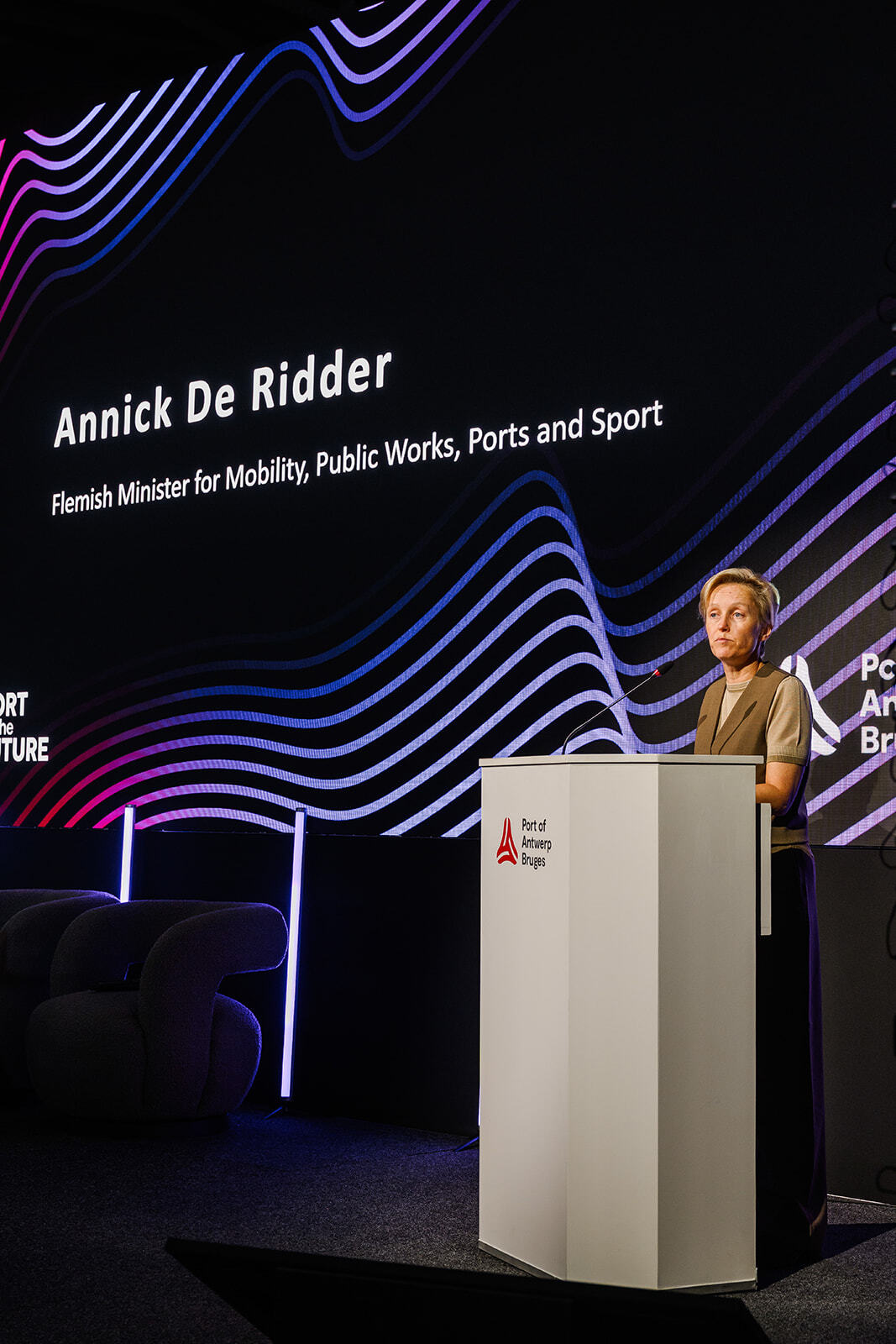
Annick De Ridder, Flemish Minister for Mobility, Public Works, Ports and Sport: “

Flanders has opted not to slow down innovation in mobility, but to make it possible in a safe way. That's why we are developing clear rules and test environments where new technologies can prove their worth responsibly. With regard to Tesla Full Self-Driving, we are building on the knowledge and experience of the Dutch RDW, the Road Transport Agency. We are also making progress on the water, having expanded the testing framework for innovative navigation earlier this year. That is essential for our ports, where it must be possible for new mobility solutions to develop safely, reliably and in practice.

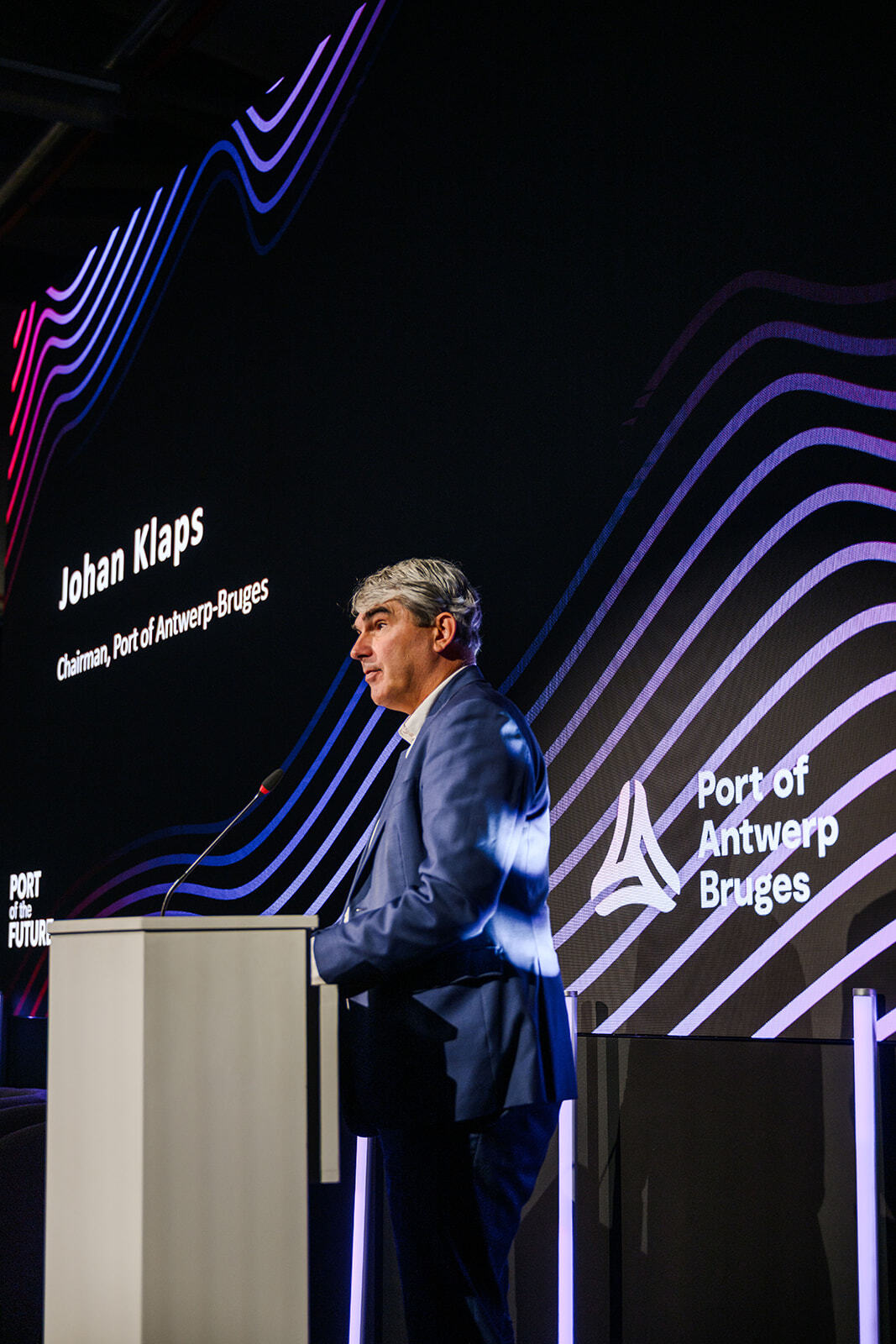
Johan Klaps, Antwerp port alderman and Chairman of Port of Antwerp-Bruges: “

 Last year, at the first Autonomous Summit, we showcased what is technologically possible. Today, we are shifting up a gear, with more players, more applications and, above all, the move towards commercial deployment. Port of Antwerp-Bruges aims to be a place where innovation not only happens, but also grows. A place where new technology is tested, validated and scaled up into economic activity. Thanks to the unique combination of port, industry, logistics and knowledge institutions, innovations can develop more quickly here into concrete applications, investments and new business activity. This is essential for the continued development of our port. After all, new container capacity requires not only additional infrastructure, but also smarter ways of making the most of that infrastructure. With autonomous technology, we are building both more efficient logistics and a strong international PortTech ecosystem.


For press inquiries, contact:

press@portofantwerpbruges.com
+32 492 15 41 39

About Port of Antwerp-Bruges

With an annual throughput of 267 million tonnes, Port of Antwerp-Bruges is a world port in the heart of Europe. The port is a unique ecosystem of maritime throughput, logistics and industry, and is home to Europe’s largest integrated chemical cluster. As a hub for containers, general cargo and vehicles, and home to over 1400 companies, it accounts for around 164,000 direct and indirect jobs and 21 billion euros in added value. This makes it Belgium’s most important economic engine.

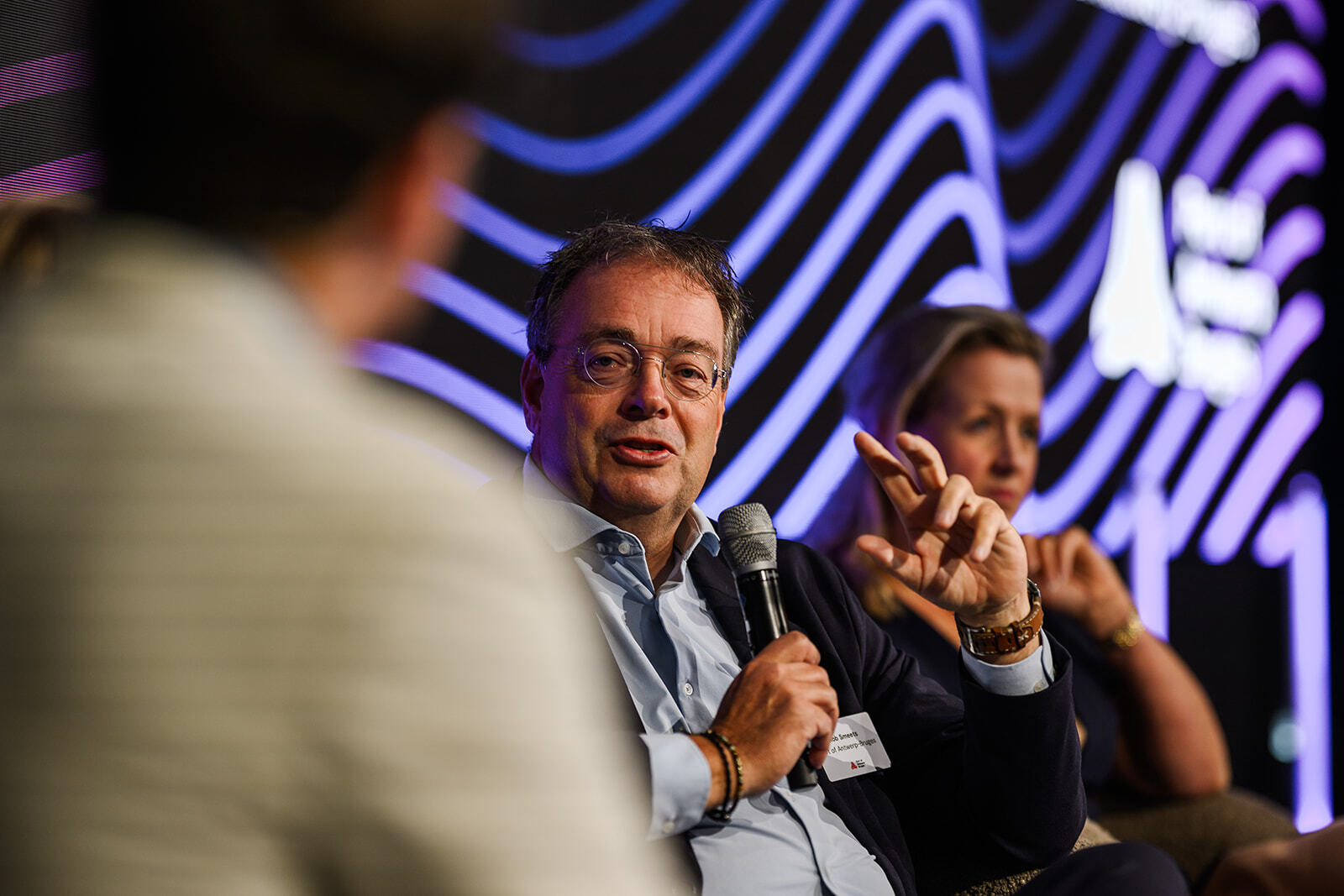
Port of Antwerp-Bruges aims to become the first world port that reconciles economy, people and climate. The Antwerp-Bruges Port Authority, a limited liability company of public law, manages the port platforms of Antwerp and Zeebrugge. The cities of Antwerp and Bruges are the shareholders. Rob Smeets is CEO, Johan Klaps (Vice-Mayor of Antwerp) is President of the Board of Directors, and Dirk De fauw (Mayor of Bruges) is Vice-President.