

Port of Antwerp-Bruges Promotes Sustainable Growth in Port Traffic
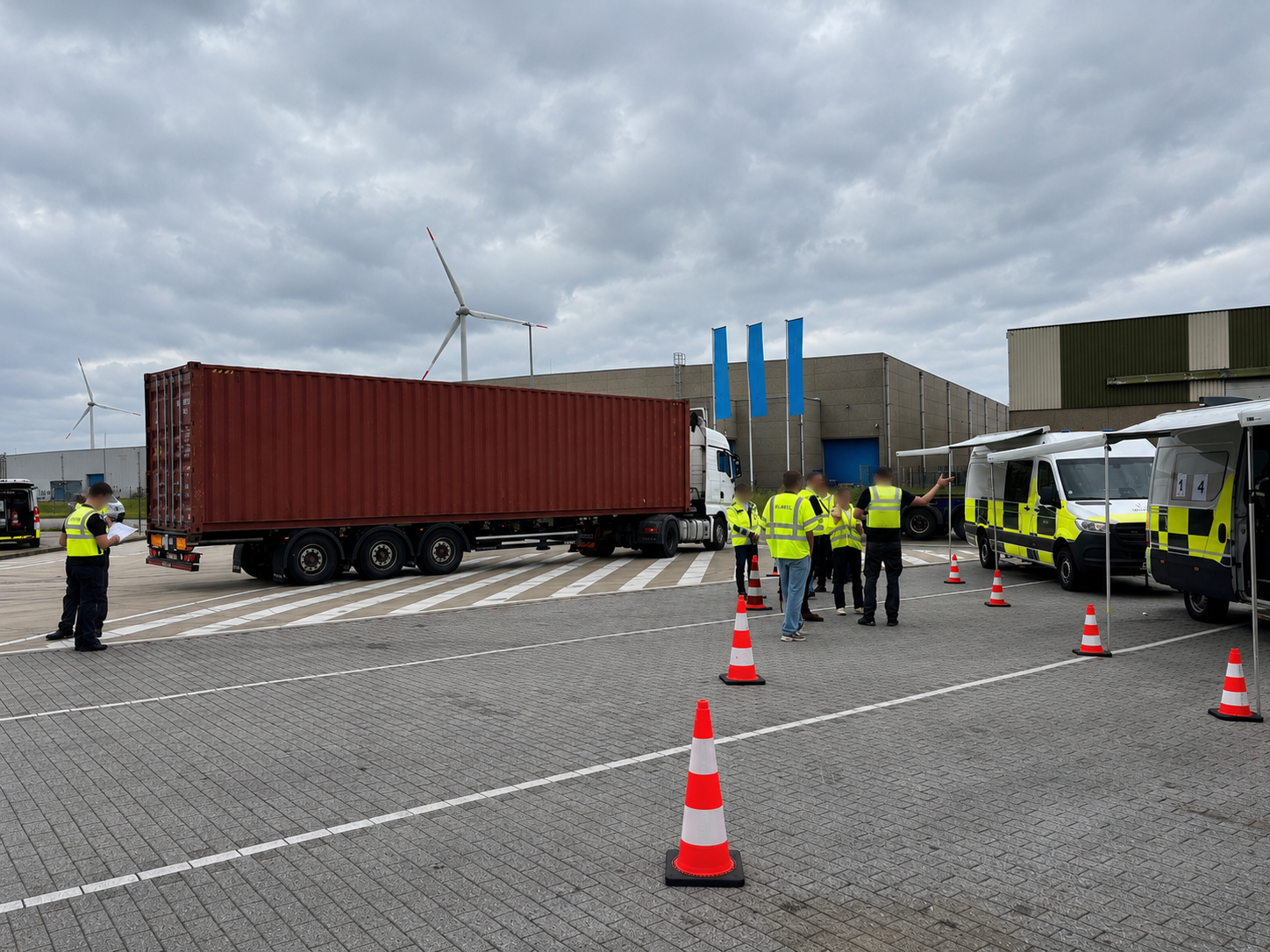
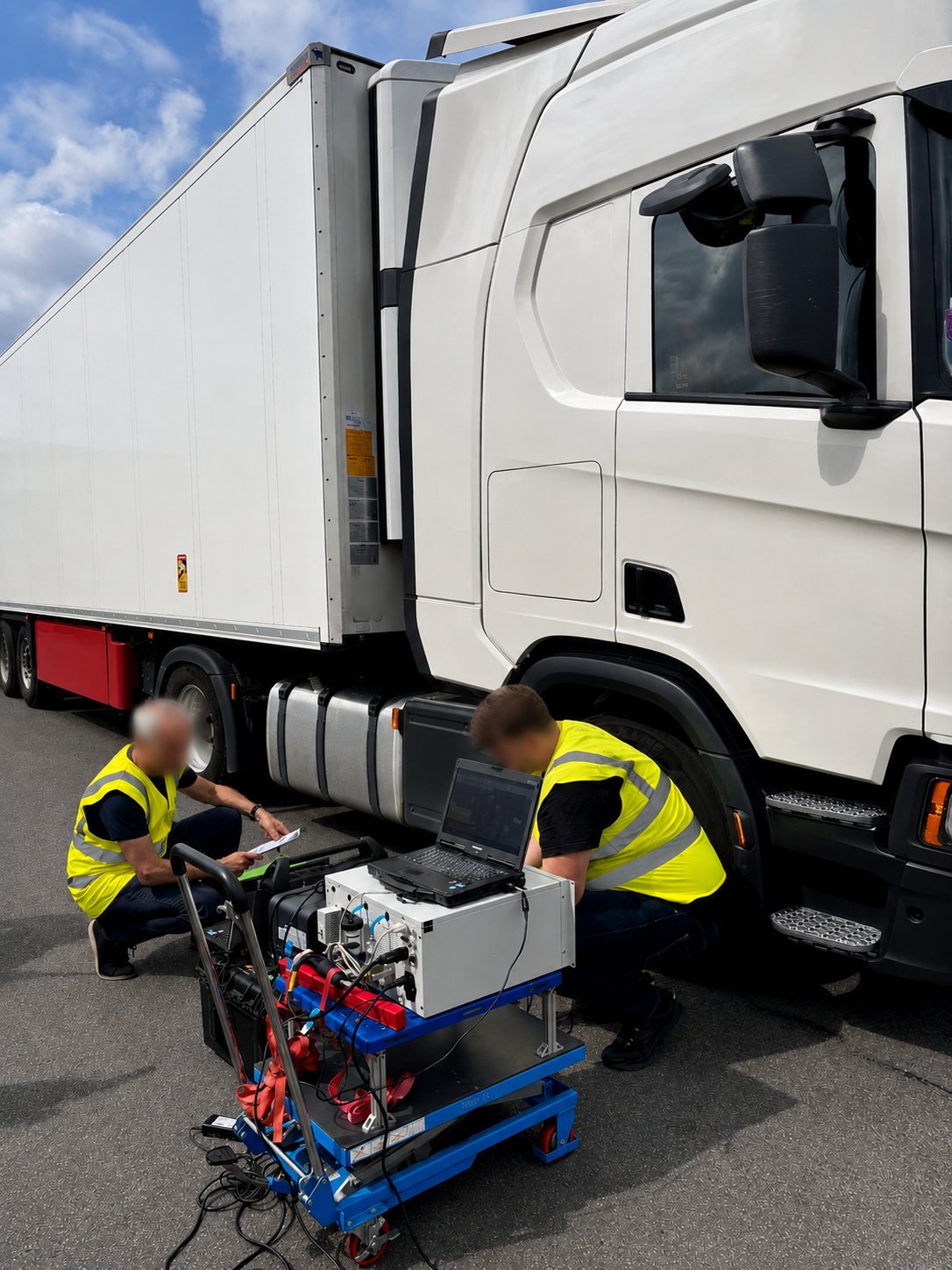
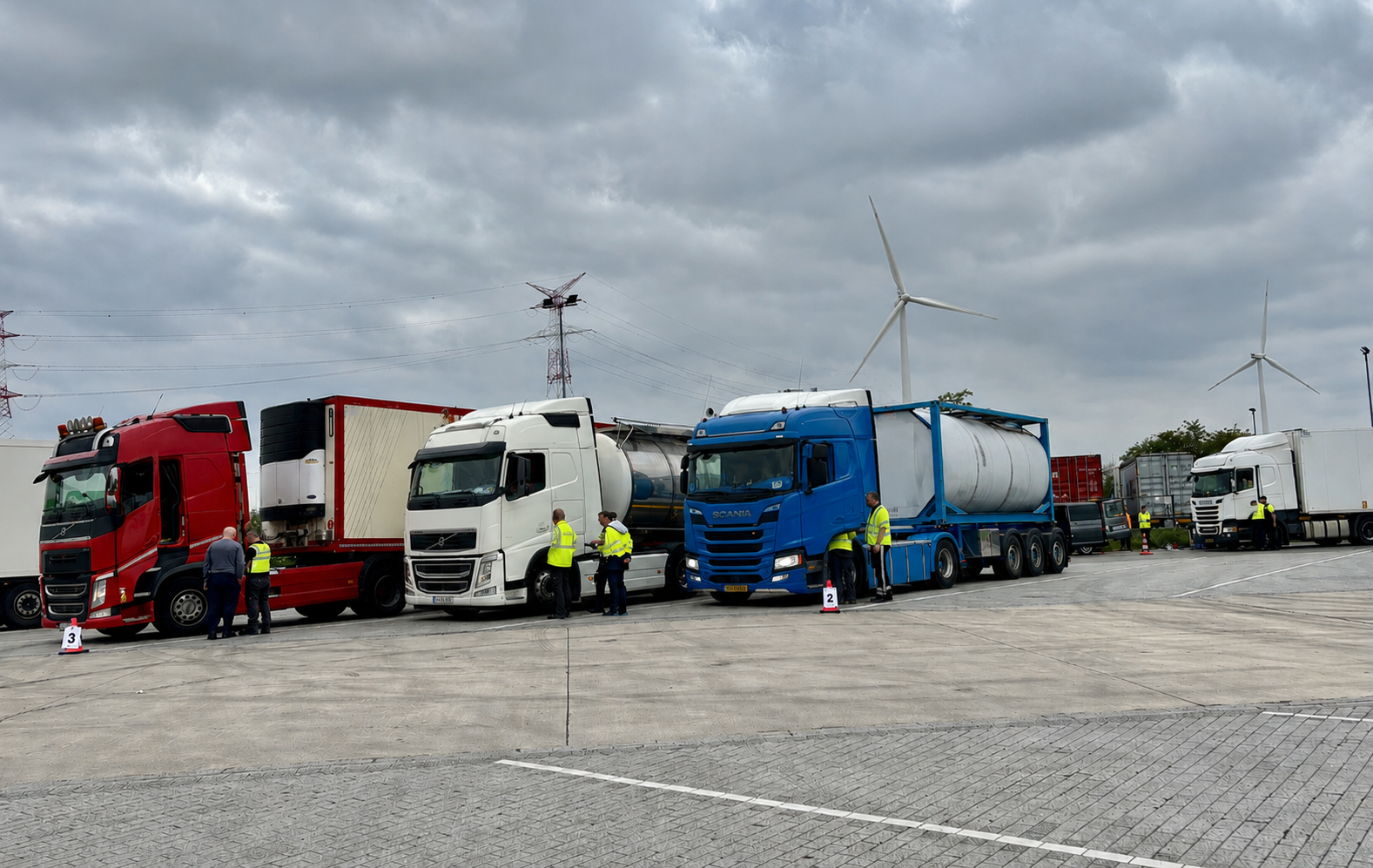
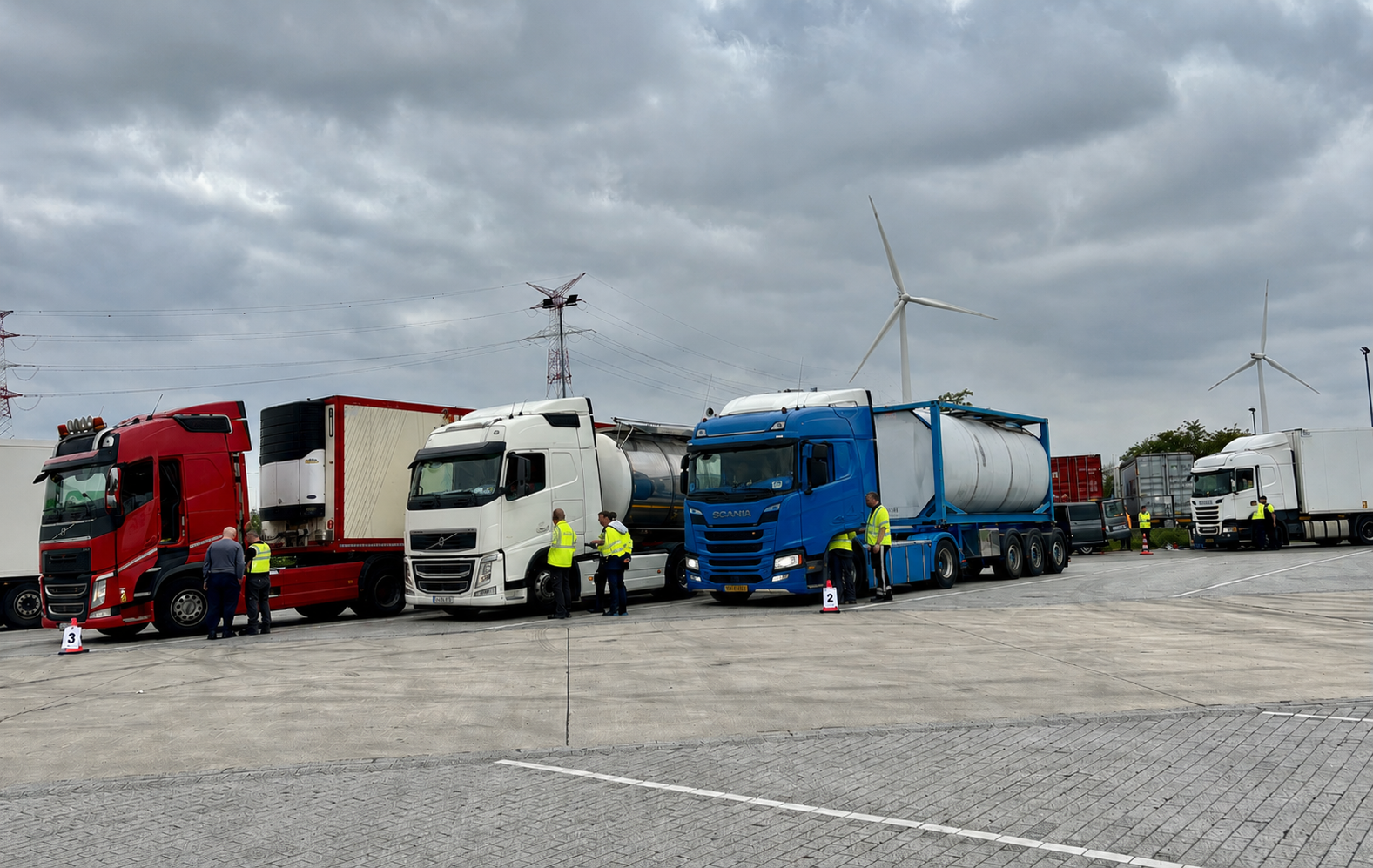
Starting on 20 May, the Flemish Government and its partners will launch a series of intensive roadside inspections to remove vehicles with exceptionally high emissions from the road. The inspections will be carried out in cooperation with VLABEL, the local and federal police, and delegations from Denmark, the Netherlands and Ireland. GOCA Flanders and the European Commission’s Joint Research Centre (JRC) will support inspectors by introducing them to innovative inspection tools. At the same time, the Flemish Environment Agency (VMM), Port of Antwerp-Bruges, and the European research consortium Net-4-Cities will deploy large-scale remote sensing campaigns to measure vehicle emissions on public roads.
Greening Freight Transport in the Port
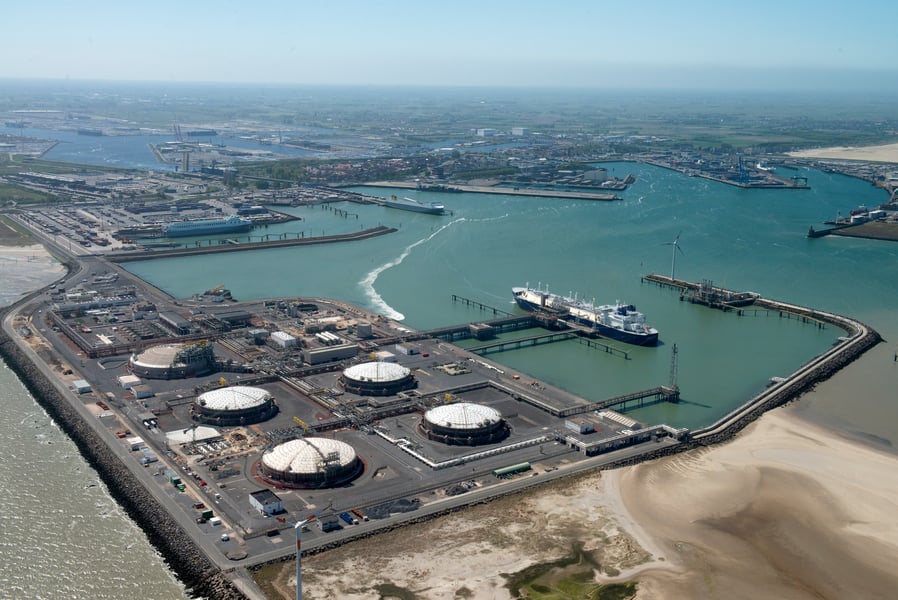
As an international logistics hub, Port of Antwerp-Bruges aims to be a driving force for a more sustainable future. While the continued development of the port and growing logistics activities increase transport volumes, this growth should not result in a corresponding increase in environmental impact. That is why Port of Antwerp-Bruges, together with its partners, is investing in innovative emissions monitoring and targeted enforcement.
By combining remote sensing technology with roadside vehicle inspections, the port aims to accelerate the greening of the truck fleet and remove vehicles with exceptionally high emissions from traffic. This will help reduce overall fleet emissions, even as transport volumes continue to grow.
From mid-May until the end of June at the latest, emissions will be measured at several locations in and around the Port of Antwerp. At least 200,000 vehicles will be monitored. The collected data will provide valuable insights into real-world road traffic emissions and support both enforcement activities and future air quality policies.
Smart Combination of Measurements and Roadside Inspections Targets a Small Group of High-Impact Vehicles
The enforcement campaign is part of a broader strategy to combat emissions fraud and malfunctioning emission control systems. Analyses show that a relatively small group of vehicles is responsible for a disproportionately large share of emissions.
For example, a single Euro VI truck with its catalytic converter deliberately disabled to avoid maintenance costs emits as much nitrogen oxide (NOx) as 15 fully compliant trucks.
By identifying and inspecting these vehicles in a targeted manner, Flanders aims to improve air quality quickly and cost-effectively while ensuring a level playing field for the transport sector.
Smarter Enforcement Through Innovative Technology
Roadside inspections are increasingly guided by measurement data. Remote sensing—which measures the emissions of passing vehicles without requiring them to stop—plays a central role in this approach.
The technology makes it possible to pre-select vehicles with a higher likelihood of emissions-related problems. As a result, inspections become far more efficient, allowing inspectors to focus on suspicious vehicles while compliant vehicles can continue their journey without interruption.
Previous experience has shown that this approach significantly increases detection rates. Traditional roadside inspections identified emissions-related problems in only around 5% of inspected vehicles, whereas inspections guided by remote sensing data detected problems in more than 80% of cases.
Earlier research in Flanders also demonstrated that targeting this relatively small group of high-emitting vehicles could reduce emissions from the Flemish truck fleet by more than 40%.
One Integrated Approach: Measure, Inspect and Enforce
This intensive enforcement campaign illustrates Flanders’ commitment to an integrated, data-driven approach to reducing vehicle emissions.
Remote sensing and roadside inspections work together as one integrated system:
- Roadside measurements provide targeted information on the emissions of individual vehicles.
- These data are used to select vehicles for inspection and identify malfunctioning or tampered emission control systems.
- The inspection results are then fed back into the databases, making the system increasingly intelligent over time.
This continuous feedback loop allows inspection resources to be used much more efficiently, ensures that the worst polluters are identified and addressed more quickly, and minimizes disruption for the vast majority of compliant road users.
A Signal to Manufacturers and International Cooperation
The initiative is not only aimed at vehicle owners but also contributes to stronger market surveillance of vehicle manufacturers. By analysing real-world emissions data, authorities can verify whether vehicles continue to comply with emissions standards under actual driving conditions.
The participation of international delegations and the support of the European Commission also underline the growing international interest in the Flemish approach, which combines technological innovation with cross-border cooperation.
Johan Klaps, Chairman of the Board of Directors of Port of Antwerp-Bruges and Alderman for the Port of Antwerp: “This ambitious project will provide a much clearer picture of the impact of road traffic on air quality within the port area. The transport sector has already made significant efforts to improve its environmental performance. By identifying and removing the small number of operators who break the rules, we send a strong signal to offenders while supporting the many transport. companies and drivers who do comply
”
Jo Brouns, Flemish Minister for the Environment: “We are firmly committed to a smart and fair approach. Through targeted inspections, we remove the biggest polluters from our roads, while those who properly maintain their vehicles experience no inconvenience. By intelligently combining technologies such as remote sensing with vehicle inspections and roadside enforcement, we can make rapid progress in improving air quality while ensuring a level playing field for everyone.
”